The Ultimate Guide to Clothing Alterations in Oromia


Oromia is a region rich in culture and tradition, and this extends to its fashion. Clothing alterations play an essential role in ensuring that garments fit perfectly and reflect personal style. Whether you're getting your clothes tailored for a special occasion or adjusting everyday wear, understanding the process and options available in Oromia can save you time and money.
Why Alterations Matter
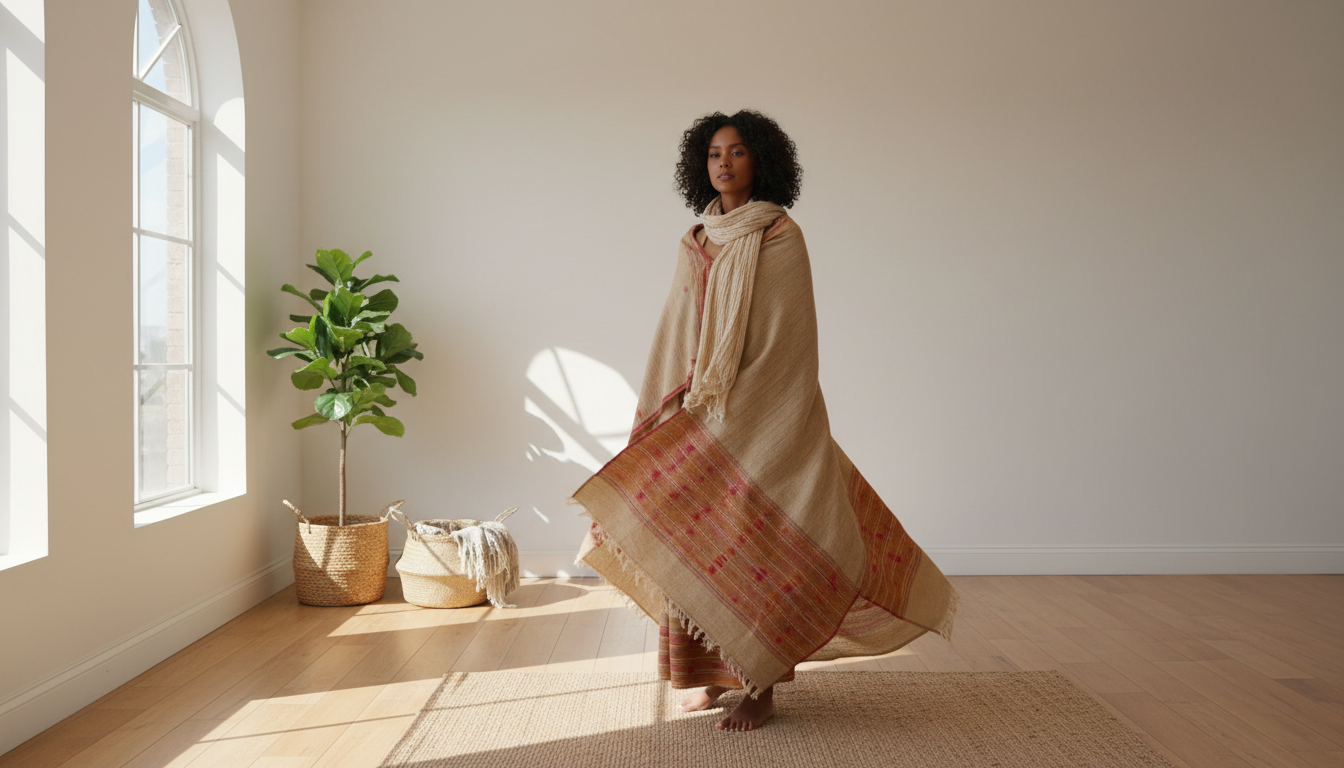
Clothing alterations are about more than just fit. They allow you to express your individuality and maintain comfort. In Oromia, where cultural attire plays a significant role, ensuring that traditional garments fit well is crucial. Well-fitted clothes can enhance your appearance and boost confidence.
Additionally, alterations can extend the life of your clothing. By making small adjustments, you can transform an old garment into something that feels brand new. This is particularly important in regions where traditional fabrics and designs carry significant cultural value.
Common Types of Alterations
There are several common alterations that people in Oromia often seek. These include:
- Hemming: Adjusting the length of pants, skirts, or dresses.
- Tapering: Taking in the sides of a garment for a slimmer fit.
- Sleeve adjustments: Shortening or lengthening sleeves to match the rest of the garment.
- Waist adjustments: Ensuring pants or skirts fit comfortably around the waist.
Choosing the Right Tailor
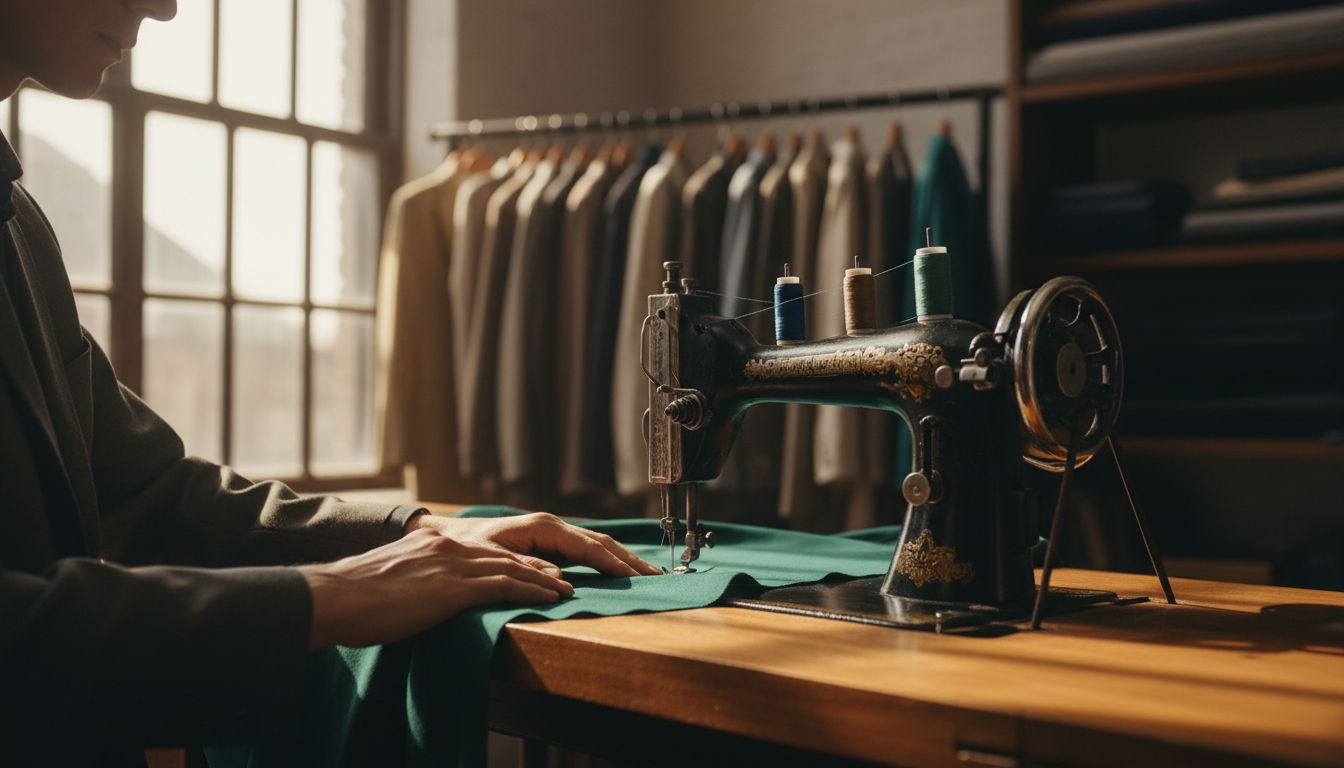
Finding the right tailor in Oromia can make all the difference. Look for someone with experience in handling various fabrics, especially traditional materials. It’s beneficial to ask for recommendations from friends or family who have had similar work done. Consider visiting several tailors to compare their expertise and pricing.
When selecting a tailor, communication is key. Make sure they understand your needs and can provide suggestions based on their experience. A good tailor will welcome your questions and offer advice on the best ways to achieve your desired fit.
DIY Alterations: What You Can Do at Home
While professional tailoring is often the best option for complex alterations, there are some adjustments you can make at home. Simple tasks like sewing a button or fixing a small tear don’t require expert skills. There are numerous online tutorials and guides that can help you get started with basic sewing techniques.
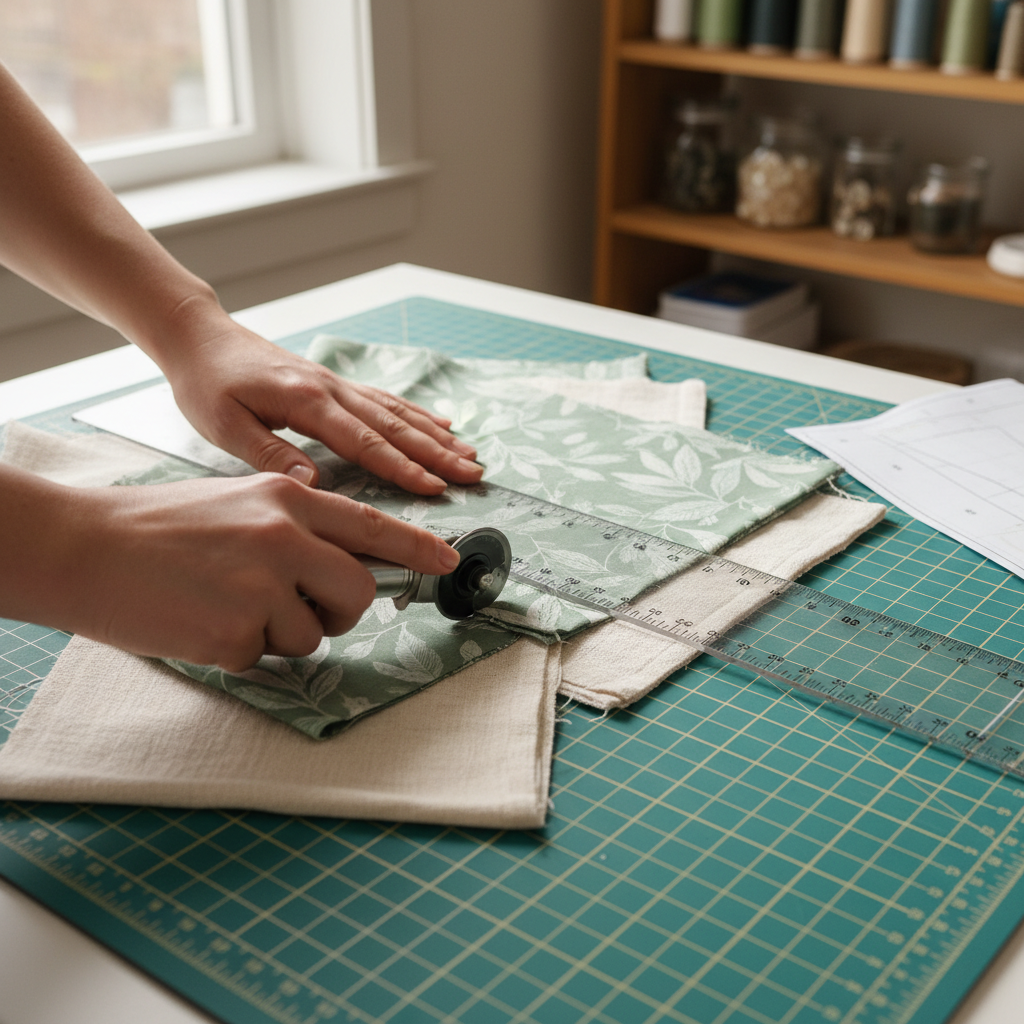
Before attempting any home alterations, make sure you have the right tools, such as needles, thread, and a sewing machine if necessary. Practice on old or inexpensive garments first to build your confidence and skills.
When to Seek Professional Help
For intricate alterations, especially those involving expensive or delicate fabrics, it's best to consult a professional. This includes tasks like altering the structure of a garment or working with traditional attire that requires a specific technique. A skilled tailor will ensure the integrity of the fabric and the quality of the alteration.
Remember, investing in professional alterations can save you from potentially damaging your clothes and will likely result in a better fit and finish.
Conclusion: Embrace the Perfect Fit
Clothing alterations in Oromia are an art form that combines tradition with modern tailoring techniques. By understanding the types of alterations available, choosing the right tailor, and knowing when to tackle DIY projects, you can ensure that your wardrobe reflects both your personal style and cultural heritage.
Whether you’re preparing for a special event or simply seeking a better fit for your everyday attire, alterations are a valuable tool in making your clothing truly your own.