
Eco-Friendly Clothing Alterations: Sustainable Fashion in Africa


The Rise of Sustainable Fashion in Africa
In recent years, the fashion industry has seen a significant shift towards sustainability, with eco-friendly clothing alterations playing a crucial role. Africa, with its rich cultural heritage and innovative spirit, is at the forefront of this movement. Embracing sustainable fashion practices not only benefits the environment but also supports local communities and artisans.
Understanding Eco-Friendly Clothing Alterations
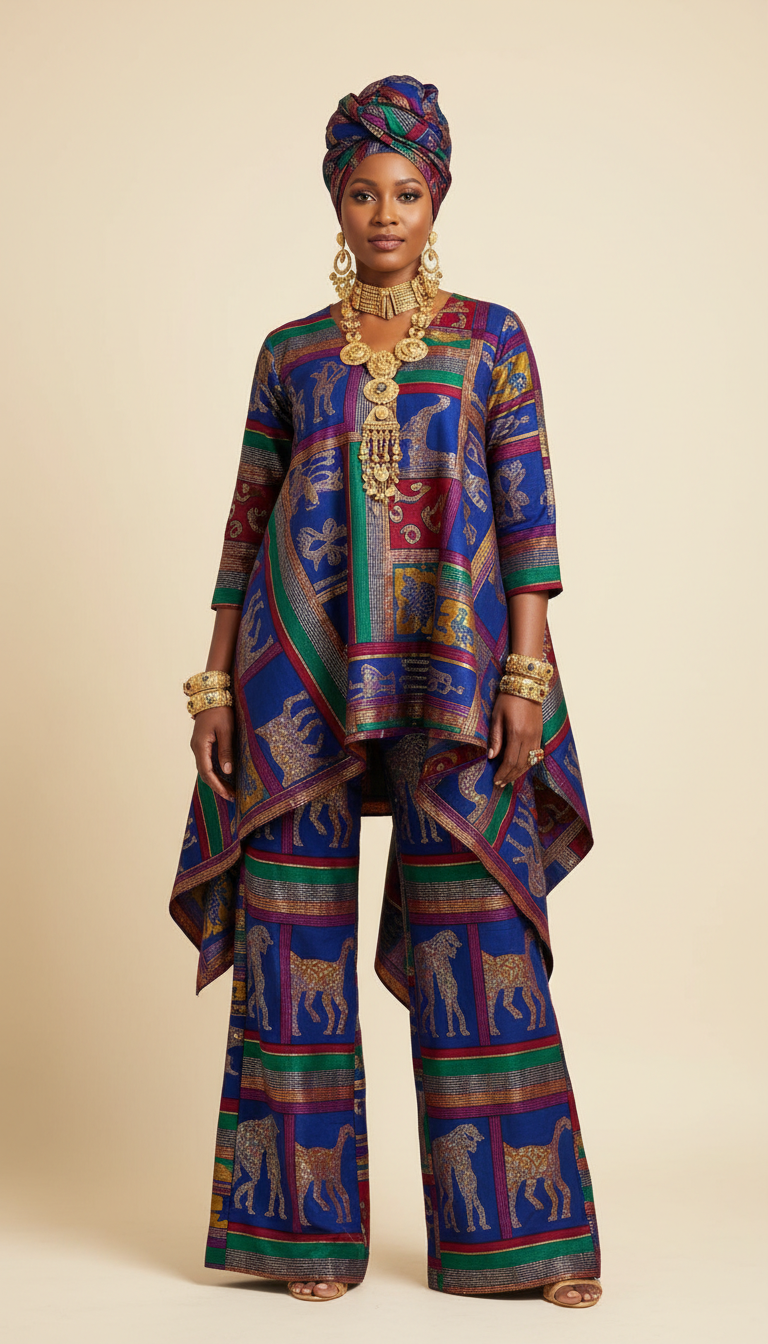
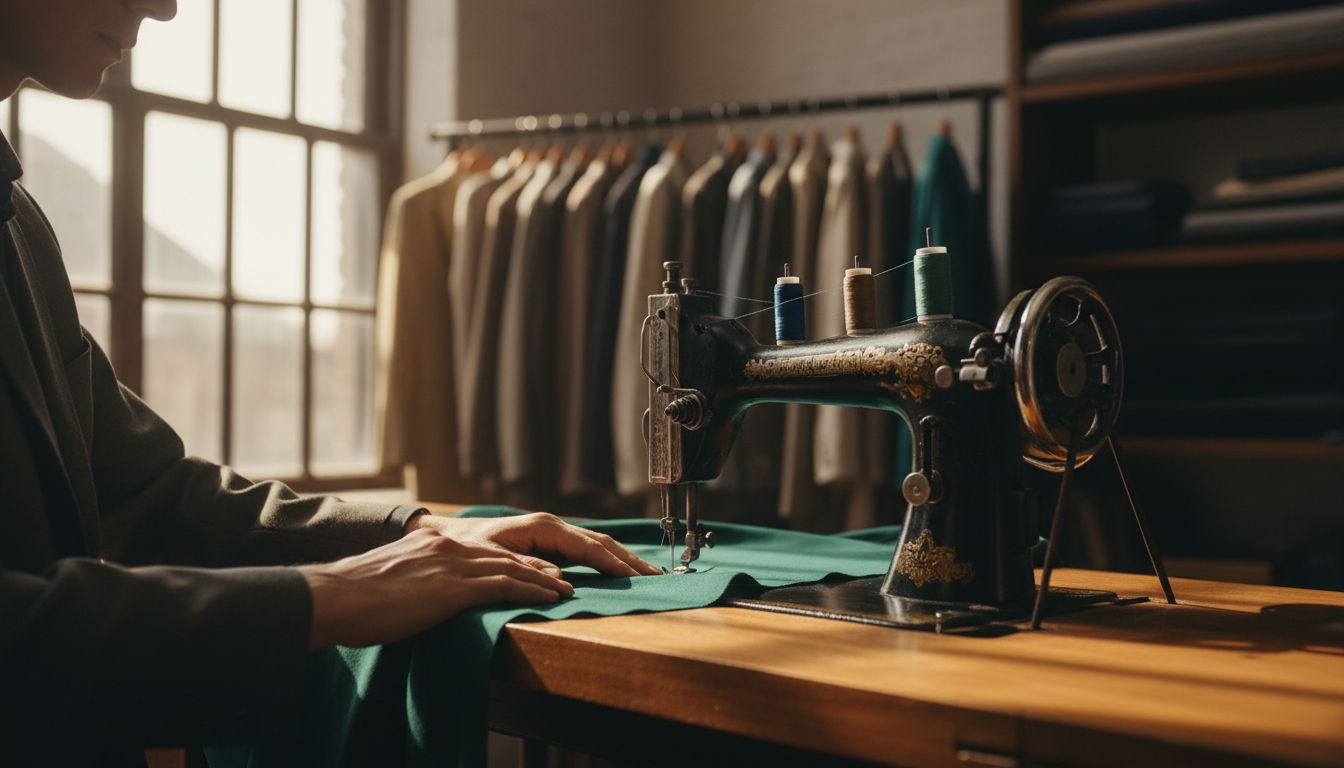
Eco-friendly clothing alterations involve modifying existing garments to extend their lifespan. This practice reduces waste and minimizes the need for new resources. In Africa, traditional tailoring and craftsmanship are being combined with modern eco-conscious techniques to create a unique blend of style and sustainability.
Alterations can include anything from resizing and repairing to completely transforming a garment. The goal is to breathe new life into clothes that might otherwise be discarded, thus reducing the environmental impact of fashion consumption.
The Benefits of Sustainable Fashion
There are numerous benefits to adopting eco-friendly clothing alterations. Here are some key advantages:
- Environmental Impact: By reducing waste and conserving resources, sustainable fashion helps protect the planet.
- Economic Opportunities: This movement creates jobs and supports local economies by empowering tailors and artisans.
- Cultural Preservation: It allows for the celebration and preservation of traditional African craftsmanship and techniques.
Innovative Practices in African Fashion
African designers are leading the way in innovative sustainable fashion practices. Many are incorporating recycled materials and organic fabrics into their designs. By doing so, they are not only promoting environmental responsibility but also showcasing Africa's unique aesthetic perspectives.
Collaborations between designers and local artisans are also becoming more common, resulting in collections that are both stylish and sustainable. This synergy is fostering a new appreciation for slow fashion, where quality and craftsmanship are prioritized over mass production.
Challenges and Opportunities
While there are many opportunities in eco-friendly clothing alterations, there are also challenges to consider. Access to sustainable materials and the need for consumer education are two significant hurdles. However, with increased awareness and support, these challenges can be overcome.
Efforts to educate consumers about the benefits of sustainable fashion are crucial. Workshops, fashion shows, and community initiatives are effective ways to spread the message and inspire change.

How You Can Contribute
Everyone can play a part in supporting sustainable fashion. Start by considering eco-friendly alterations for your own wardrobe. Look for local tailors who offer sustainable services, and support brands that prioritize ethical practices.
By making conscious choices, you can contribute to a more sustainable fashion industry and help preserve Africa's rich cultural heritage. Together, we can make a difference, one garment at a time.