
DIY Clothing Alteration Tips: When to Fix and When to Call a Professional


Understanding DIY Clothing Alterations
Altering your own clothing can be a rewarding and cost-effective way to refresh your wardrobe. From adjusting hems to taking in seams, there are many alterations you can tackle on your own. However, it's important to recognize which tasks are manageable and which are best left to a professional tailor.
Before diving into your next project, consider the complexity of the alteration. Simple tasks like sewing on buttons or shortening a hemline can be done with minimal experience. But when it comes to more intricate adjustments, you may need to seek outside help.
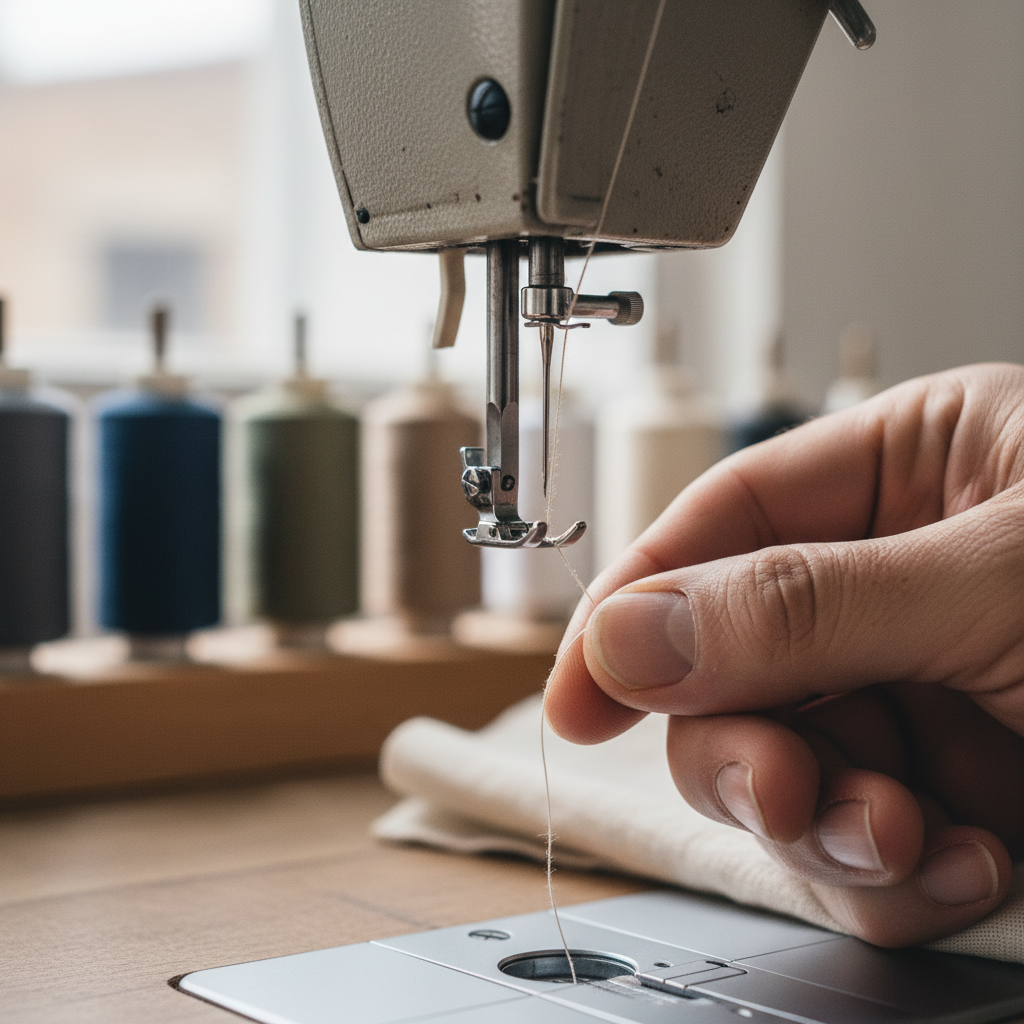
Simple DIY Alterations
Buttons and Small Repairs
Sewing on a button or fixing a small tear is a straightforward task. Keep a sewing kit handy, including needles, thread, and spare buttons. These minor repairs can often be completed in just a few minutes, saving you a trip to the tailor.
Hemming Pants and Skirts
Hemming is another alteration that many DIY enthusiasts can handle. With a few basic tools, you can adjust the length of pants or skirts to suit your style. A measuring tape, fabric scissors, and an iron will help you achieve a clean, polished look.
When to Call a Professional
Complex Adjustments
For more complex alterations, such as reshaping a garment or adjusting the fit of a tailored suit, it's wise to consult a professional. These tasks require a keen eye for detail and specialized skills that come with experience.
Attempting complicated alterations without the necessary expertise can result in damage to your garment. Trusting a skilled tailor ensures a precise fit and finish.

Delicate Fabrics
Working with delicate or expensive fabrics can be challenging. Materials like silk, chiffon, or lace require special handling to avoid damage. A professional tailor will have the experience and tools to work with these fabrics without compromising their integrity.
Tips for Choosing a Tailor
When selecting a tailor, consider their reputation and experience. Ask for recommendations from friends or read online reviews. It's important to find someone who understands your needs and can deliver quality work.
- Check their portfolio or previous work samples.
- Discuss your specific requirements in detail.
- Ensure they are experienced with the type of fabric or garment you need altered.

Conclusion
Understanding when to tackle a DIY clothing alteration and when to seek professional help is essential for maintaining a stylish and functional wardrobe. By recognizing your own skills and limitations, you can ensure that your clothes are always looking their best.
Whether you're making simple adjustments or entrusting your garments to a skilled tailor, the right approach will help you preserve and enhance your clothing collection.